 Image 1 of 44
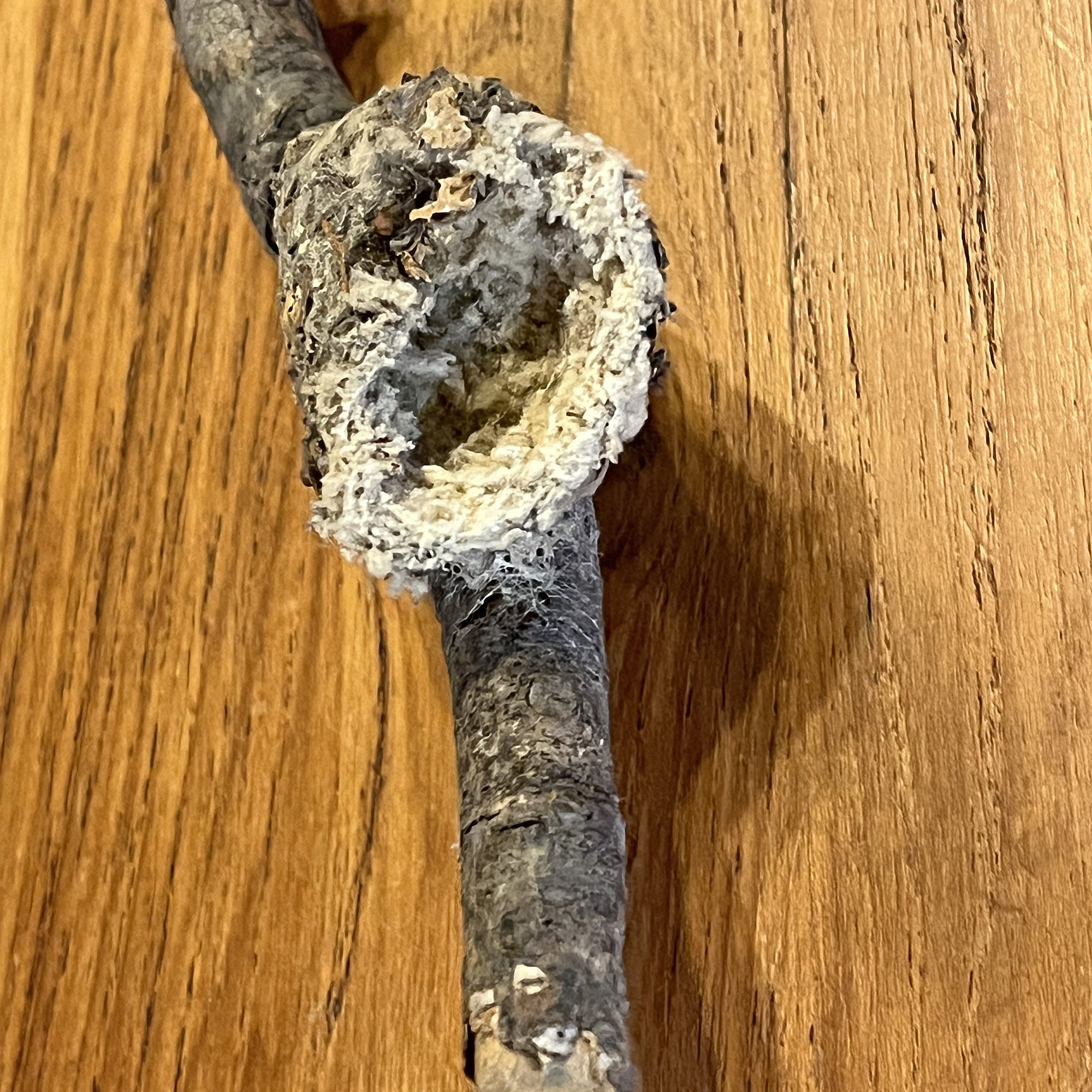 Image 2 of 44
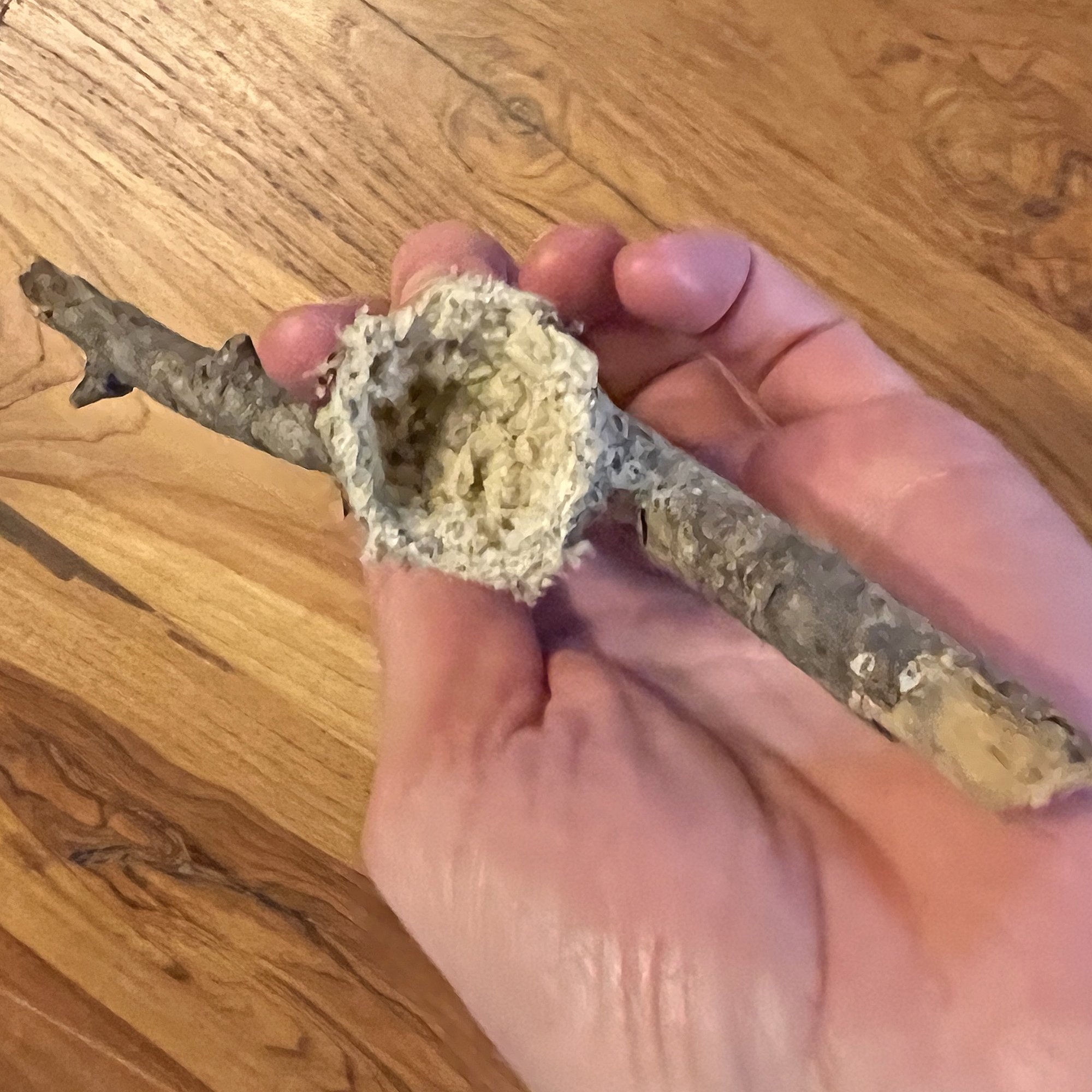 Image 3 of 44
 Image 4 of 44
 Image 5 of 44
 Image 6 of 44
 Image 7 of 44
 Image 8 of 44
 Image 9 of 44
 Image 10 of 44
 Image 11 of 44
 Image 12 of 44
 Image 13 of 44
 Image 14 of 44
 Image 15 of 44
 Image 16 of 44
 Image 17 of 44
 Image 18 of 44
 Image 19 of 44
 Image 20 of 44
 Image 21 of 44
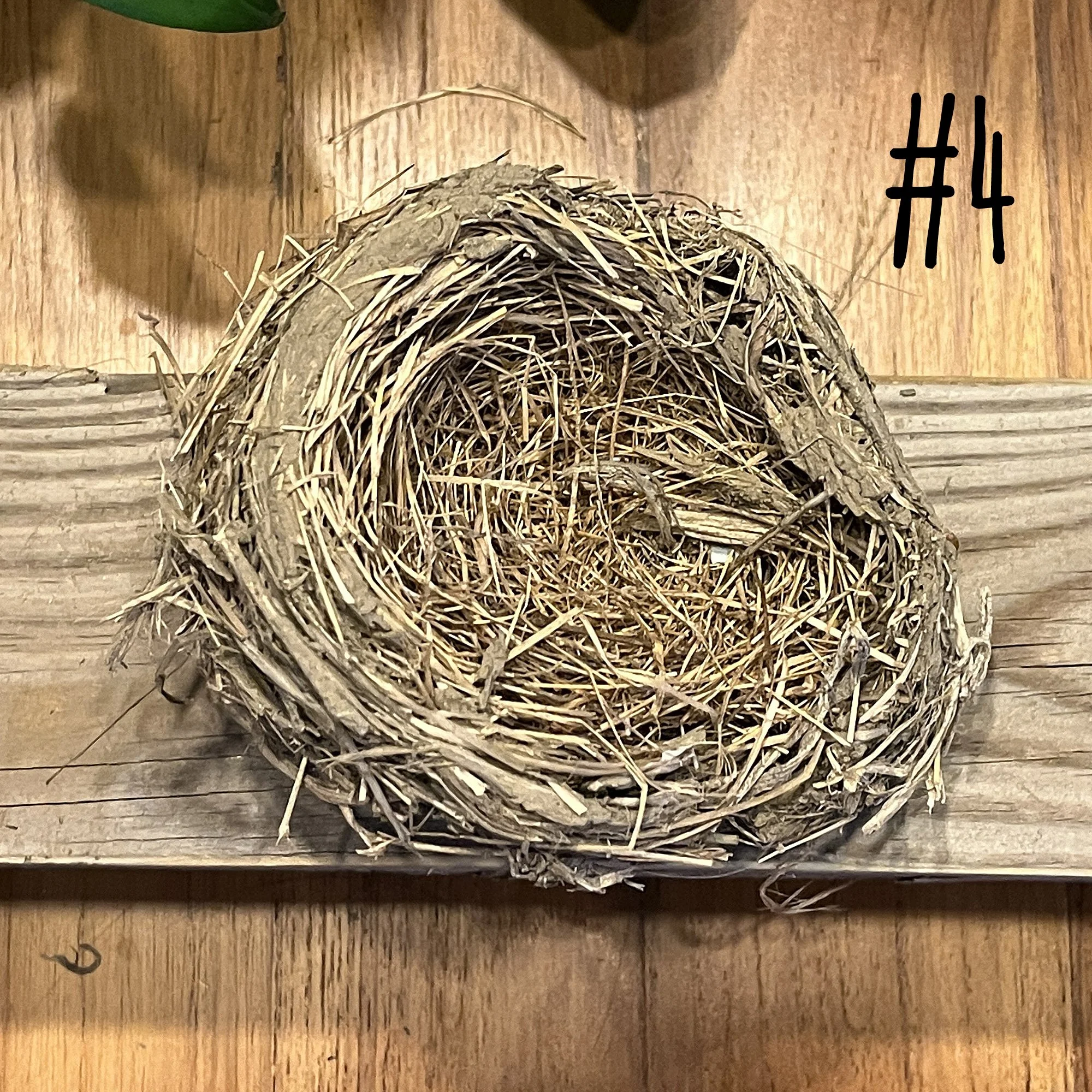 Image 22 of 44
 Image 23 of 44
 Image 24 of 44
 Image 25 of 44
 Image 26 of 44
 Image 27 of 44
 Image 28 of 44
 Image 29 of 44
 Image 30 of 44
 Image 31 of 44
 Image 32 of 44
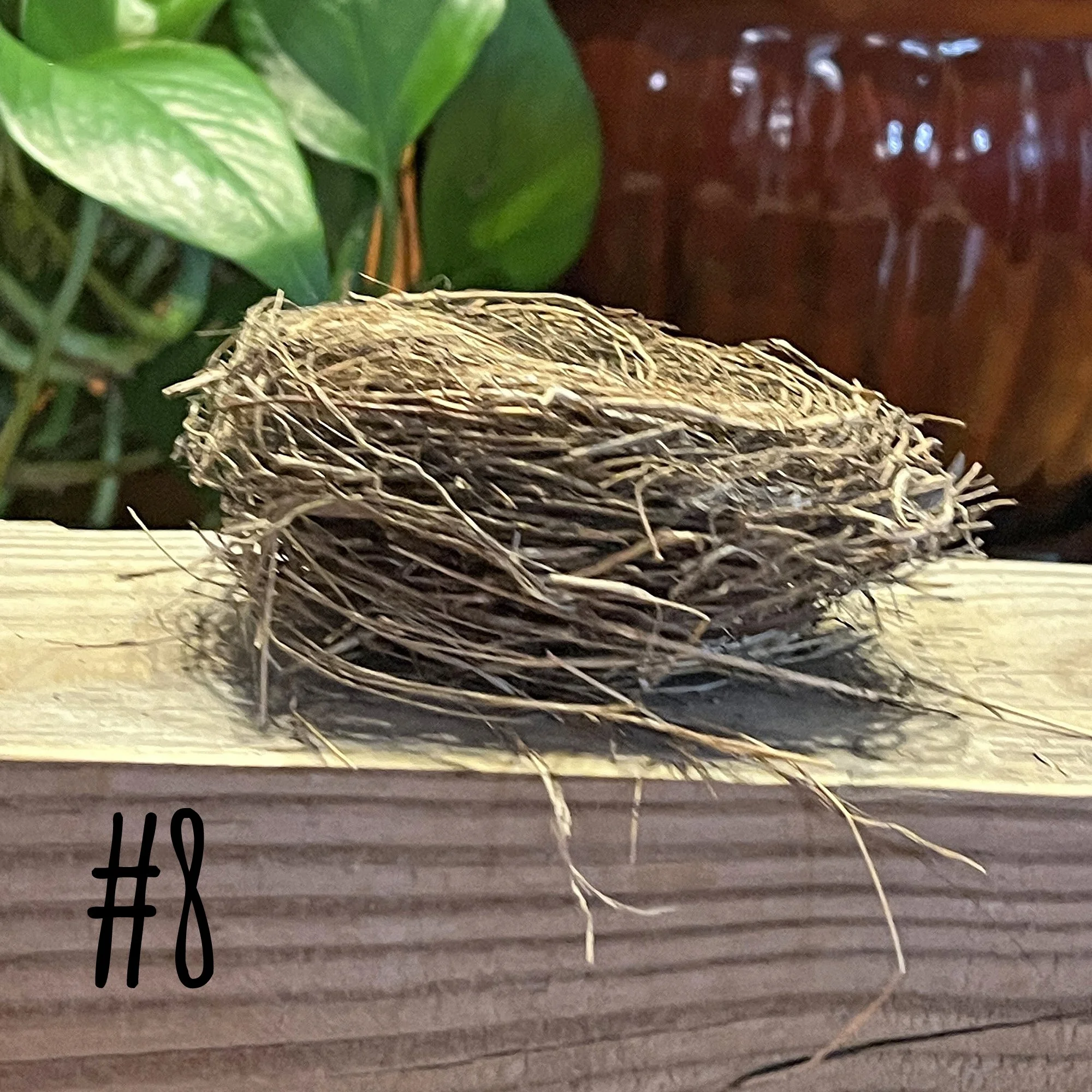 Image 33 of 44
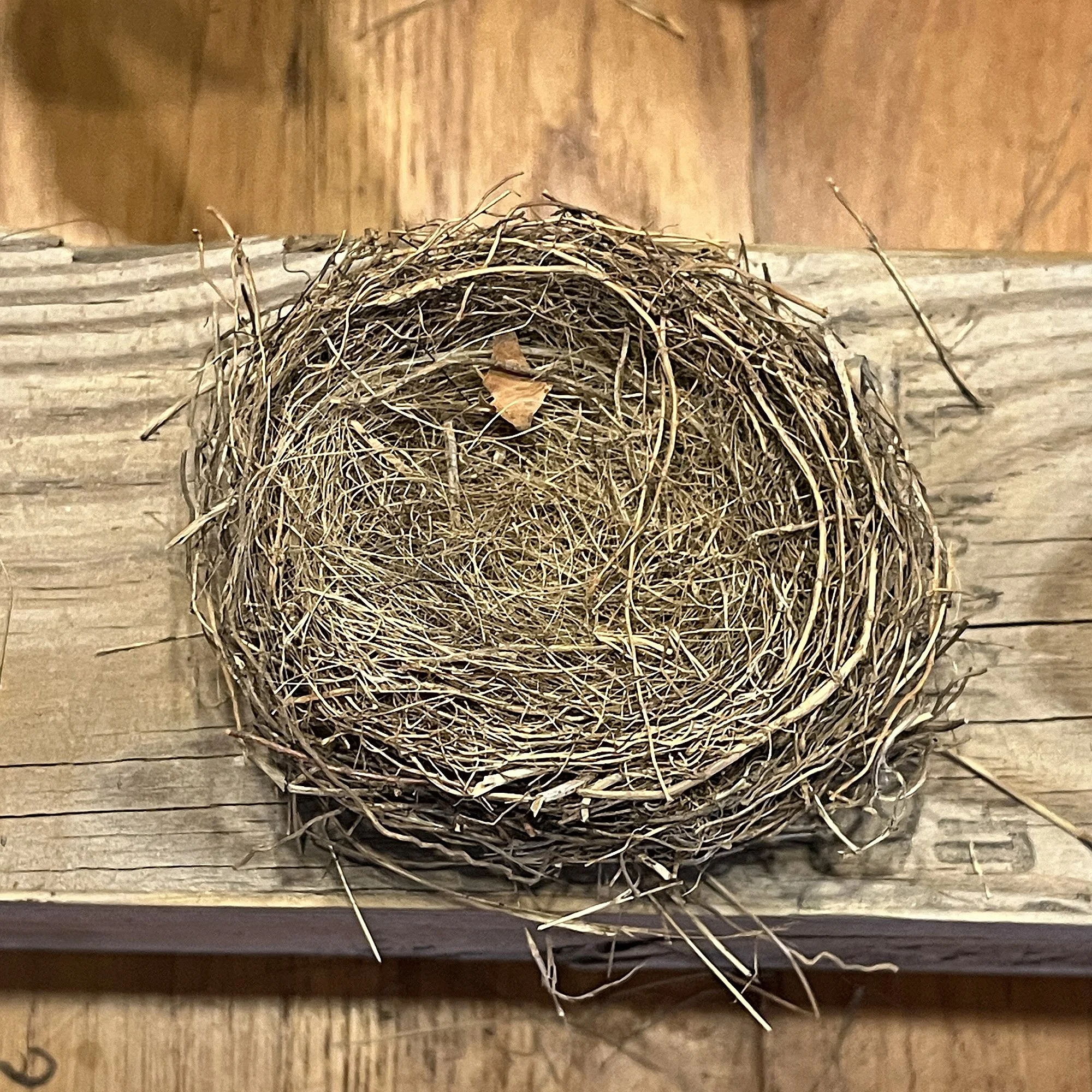 Image 34 of 44
 Image 35 of 44
 Image 36 of 44
 Image 37 of 44
 Image 38 of 44
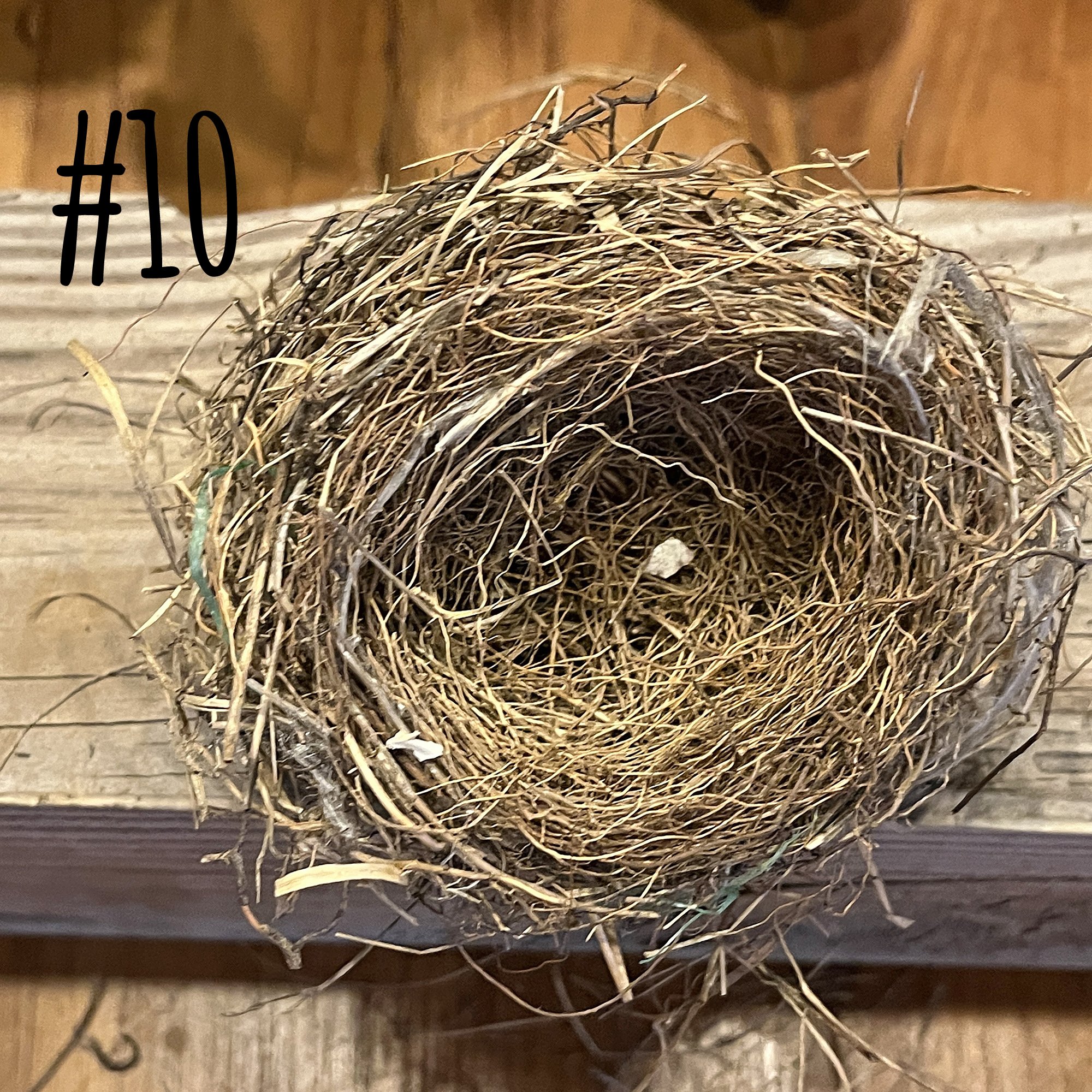 Image 39 of 44
 Image 40 of 44
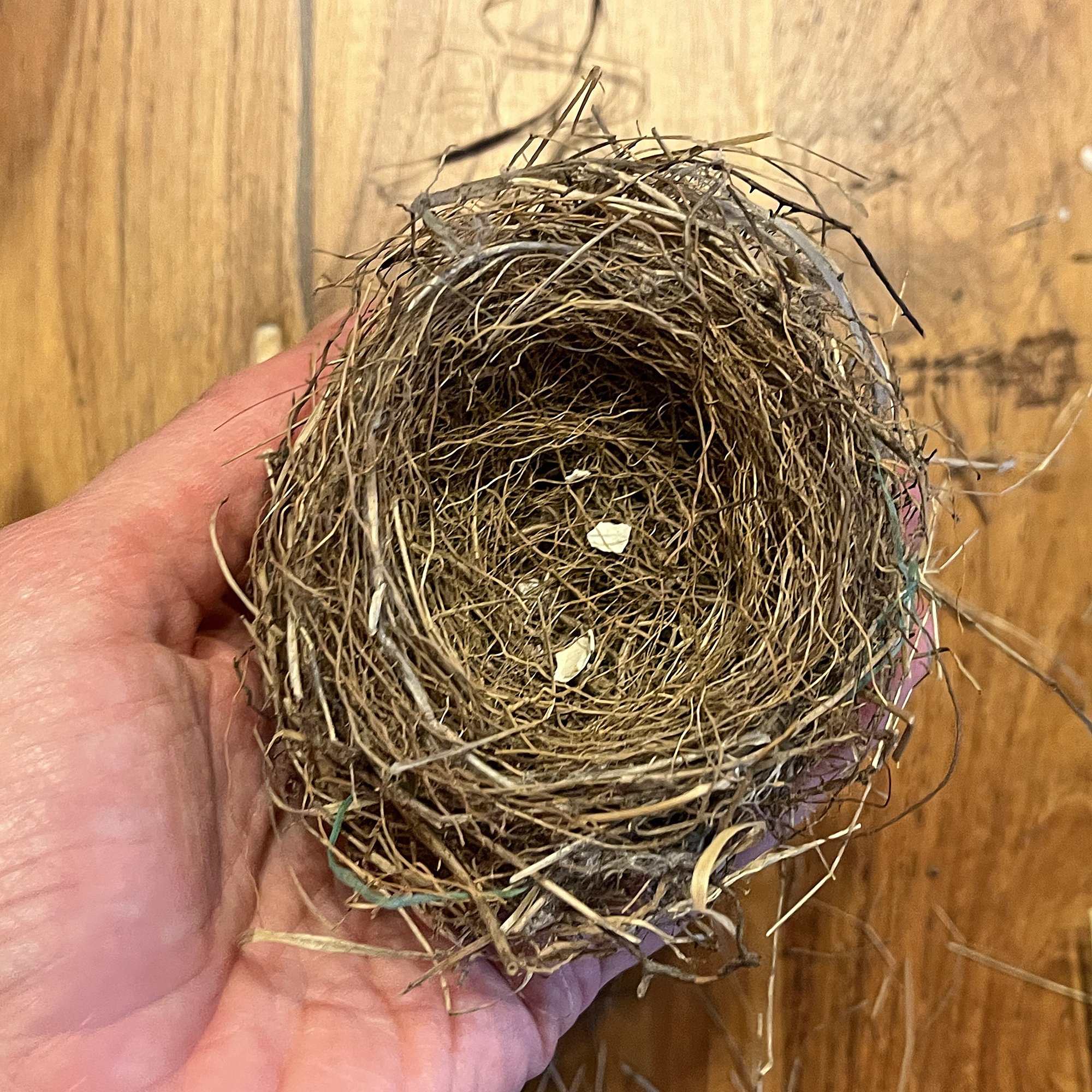 Image 41 of 44
 Image 42 of 44
 Image 43 of 44
 Image 44 of 44
Hand-Collected Birds' Nests—Various Bird Types


If you recognize one of the unlabeled nests, we’d love to know. Please contact us with the correct bird-to-nest identifcation!
All sizes are approximate and measured at the top on the longest side.
Available Nests:
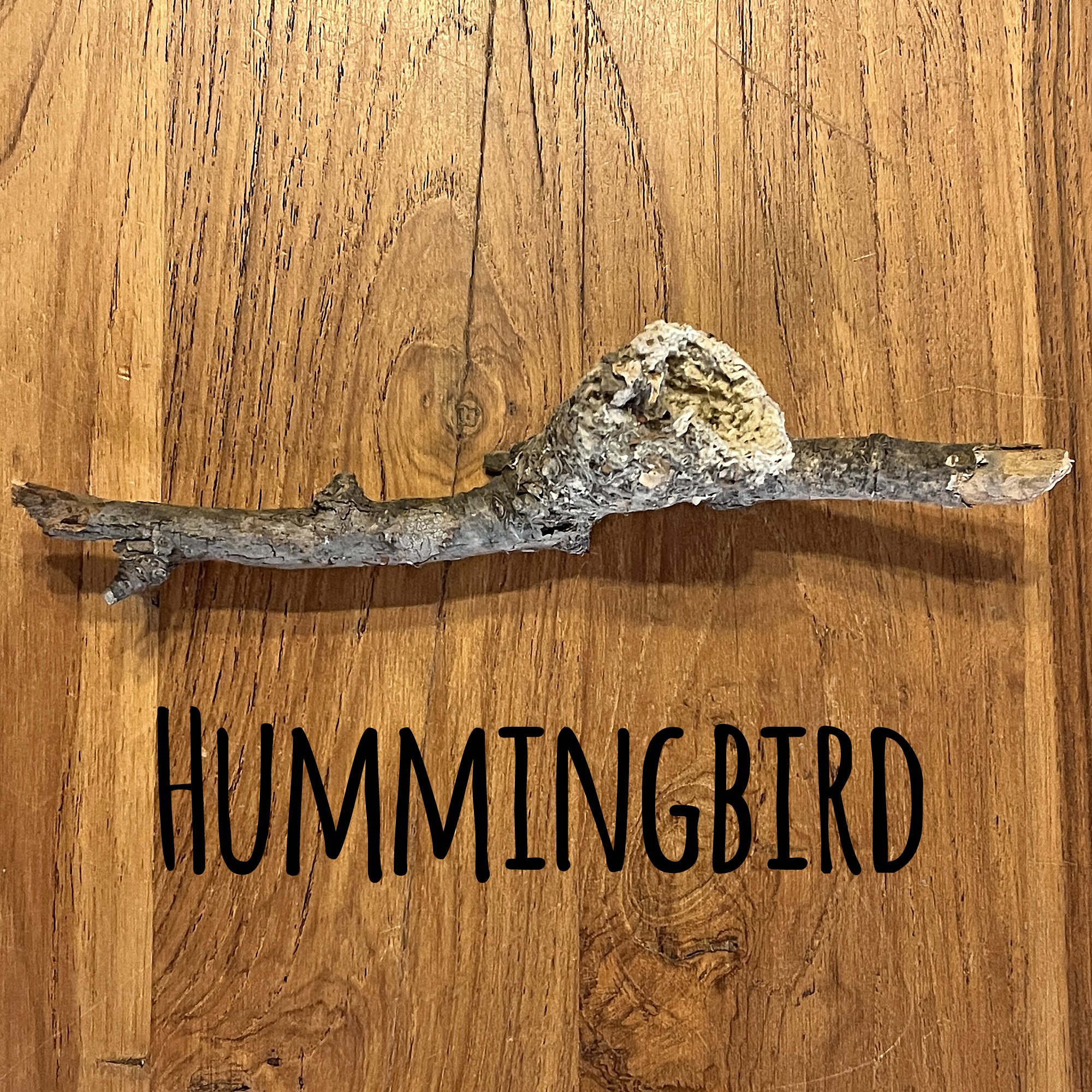
Hummingbird—6.75” including stick—nest is 1”
Woodpecker—12” tall
Cardinal—6”—comes with a partial egg (not shown)
#1—5”—Possibly Bluejay, Red-Winged Blackbird, or Robin
#2—4”—Possibly House Finch or Wren
#3—5.5”—Possibly Bluejay or Robin
#4—4.75”—Possibly Robin or Titmouse
#5—3”—Comes with some bits of eggshell—Possibly Wren or House Finch
#6—3.25”—Comes with some bits of eggshell—Possibly Mourning Dove, Pigeon, Catbird, or Wren (very fragile, very loosely woven)
#7—3”—Possibly Mourning Dove, Pigeon, Catbird, or Wren (fragile, loosely woven)
#8—2.75”—Possibly Mourning Dove, Pigeon, Catbird, or Wren ( fragile, loosely woven)
#9—7.25”—Comes with two partial eggshells—Possibly Bluebird or Cardinal
#10—3”—Possibly House Finch or Wren
#11—3.125”—Comes with a broken eggshell (not shown)—Possibly House Finch or Wren